Cross-Market Price Shifts: How Performance Logging Apps Refine Daily Selections Across Soccer, Equine, and Racket Events via Real-Time Bookmaker Feeds
Written by Blake Weber · Sep 25, 2026
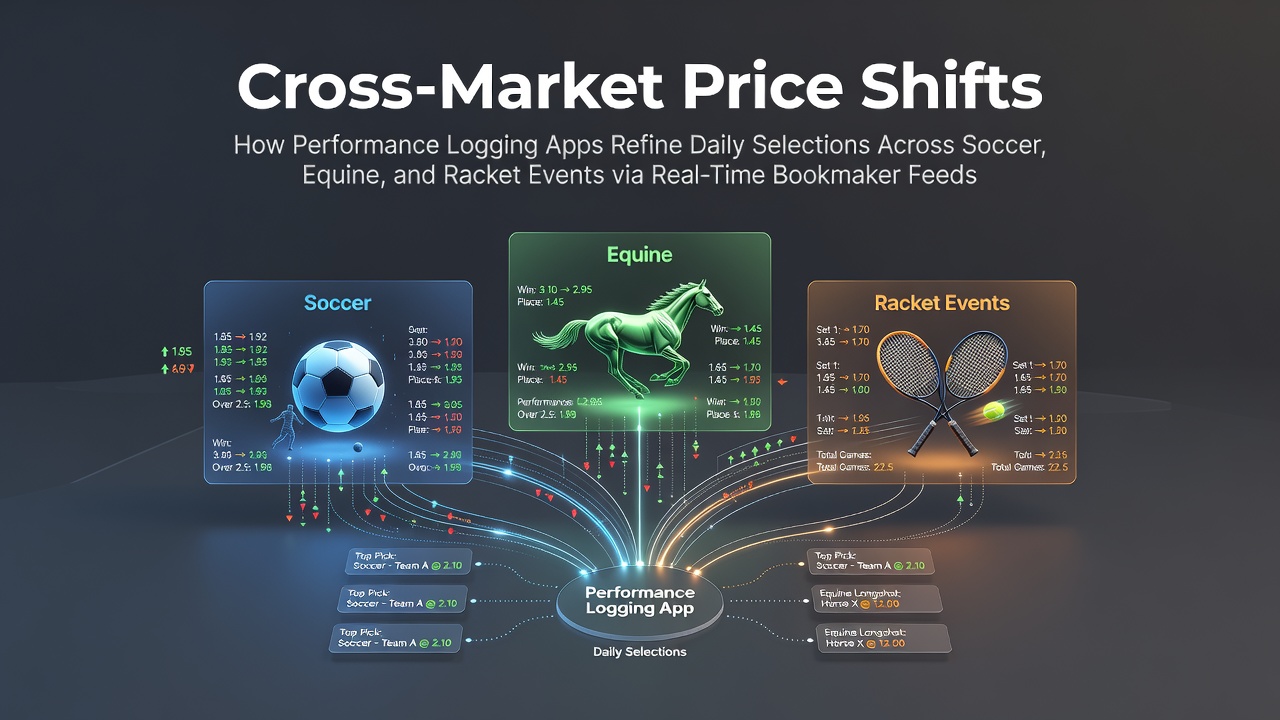
Cross-Market Price Shifts: How Performance Logging Apps Refine Daily Selections Across Soccer, Equine, and Racket Events via Real-Time Bookmaker Feeds
Performance logging apps connect directly to live bookmaker feeds and track price movements across soccer, equine, and racket events in a single interface, allowing users to monitor how odds adjust when one market influences another. These tools pull streaming data from multiple operators and log shifts that occur during pre-match and in-play periods, so daily selections can update automatically when a price movement in one sport signals potential value elsewhere. Operators release new lines throughout the day, and the apps record each change with timestamps that highlight patterns emerging across unrelated events.
Real-Time Feed Integration and Cross-Market Detection
Data streams arrive from bookmakers at intervals measured in seconds, and the logging software compares incoming figures against historical baselines stored in local databases, while algorithms flag deviations that exceed predefined thresholds. When a soccer match sees heavy money on one side, the system cross-references the same operator's equine and tennis books to detect whether similar liabilities appear elsewhere, and this comparison happens continuously rather than at fixed reporting times. Observers note that the process reduces manual checking because the app surfaces only those shifts that align with user-defined filters for stake size, market depth, and time remaining until the event starts.
Application to Soccer Markets
In soccer, performance logging apps record odds on match results, goal totals, and player props as they update from multiple sources, and they highlight when a price in one league moves in response to team news that could affect another competition later the same day. Users set parameters so that a sharp move on an early fixture triggers a review of later selections, and the software displays side-by-side comparisons that show whether the implied probabilities remain consistent across the slate. As of September 2026, several platforms added direct feeds from lower-tier European leagues, expanding the range of matches the apps can monitor without requiring separate logins.
Equine Event Tracking
Equine markets present additional layers because odds on individual runners fluctuate with each new declaration and non-runner announcement, and the logging tools capture these changes while maintaining links to soccer and tennis lines from the same bookmaker. The apps record how a late scratch in one race correlates with adjustments in unrelated markets, and they present the information in tables that update automatically when fresh data arrives. This allows selections to be refined without constant manual refresh, since the system flags instances where a price movement in horse racing aligns with patterns previously observed in other sports.
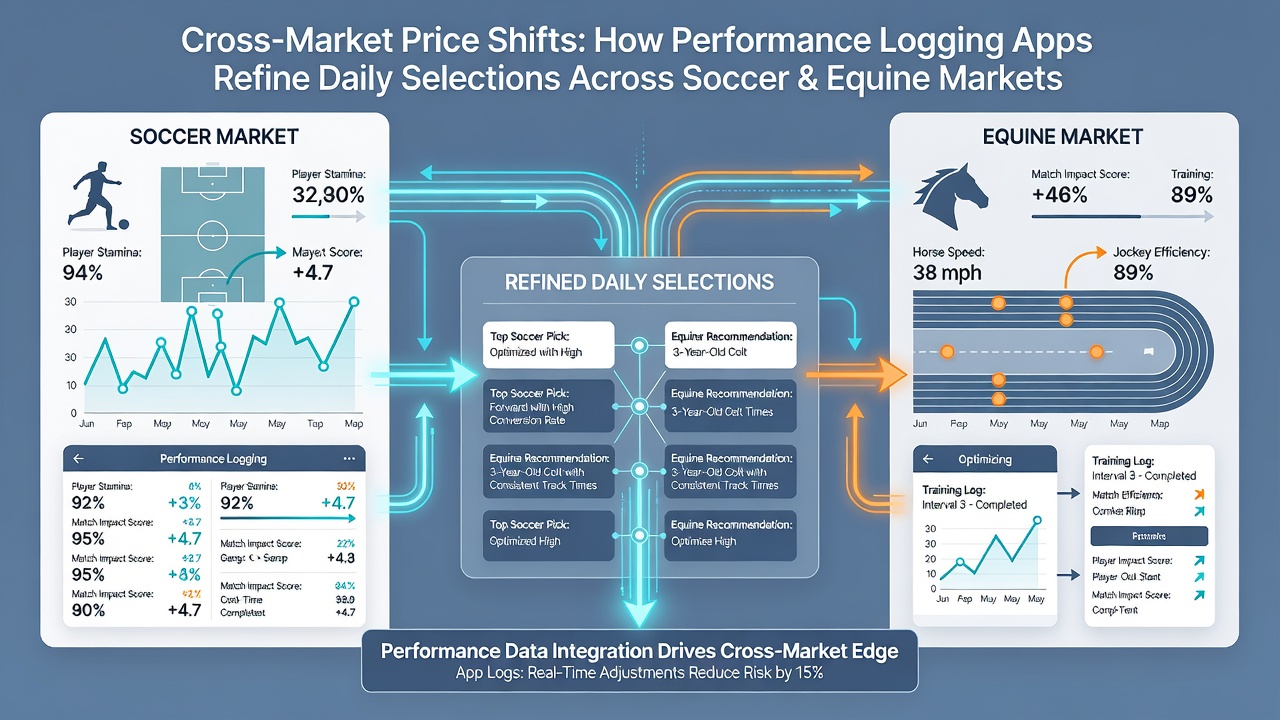
Racket Sports and Multi-Event Coordination
Racket events, particularly tennis, generate rapid in-play adjustments during sets and games, and performance logging apps integrate these movements with pre-match soccer and equine lines so that users can maintain a unified view of their daily portfolio. teh software timestamps each shift and calculates the net exposure across all three categories, then highlights opportunities where a movement in one market offsets risk in another. Data from the Australian Gambling Research Centre indicates that operators now refresh tennis odds more frequently during grand slam events, and the apps have adapted by increasing their polling rates to match.
Practical Workflow Examples
Take one user who configures alerts for price changes exceeding two percent in soccer and tennis while maintaining a separate threshold for equine markets, and the app then surfaces only those instances where two or more categories show coordinated movement. The system records the sequence of adjustments and presents a timeline that users can review before committing selections, and this process repeats for each new data batch received from the bookmakers. Researchers at the University of Melbourne have documented similar monitoring practices in industry reports, noting that such tools rely on consistent API access rather than manual scraping to maintain accuracy across sessions.
Conclusion
Performance logging apps continue to evolve by incorporating additional data points from real-time bookmaker feeds, and they provide structured methods for tracking cross-market price shifts that affect daily selections in soccer, equine, and racket events. The combination of timestamped records, automated alerts, and comparative displays supports consistent monitoring without requiring separate applications for each sport, while the underlying data connections ensure that adjustments in one area remain visible when reviewing selections elsewhere.